Health and Safety Policy for Kings Cross Carpet Cleaners
 Kings Cross Carpet Cleaners is committed to maintaining a safe, healthy, and responsible working environment for employees, clients, contractors, and anyone else who may be affected by our activities. This health and safety policy sets out the principles, standards, and day-to-day practices that guide our carpet cleaning operations. We believe that safe work is quality work, and that careful planning helps prevent injury, protects property, and supports reliable service.
Our approach applies to all aspects of carpet cleaning, including site assessment, equipment use, chemical handling, manual lifting, electrical safety, and the management of wet surfaces. Every member of the Kings Cross Carpet Cleaners team is expected to follow this policy and to act with due care at all times. Health and safety is not treated as an isolated task; it is built into the way we prepare, carry out, and complete each job.
 We aim to identify hazards early and reduce risk before work begins. This includes reviewing the condition of the area to be cleaned, checking access routes, confirming that equipment is suitable for the task, and ensuring that all cleaning agents are used according to manufacturer instructions. The company encourages a practical, proactive culture in which concerns are raised promptly and corrected without delay.
Responsibilities and Safe Working Standards
Management is responsible for providing safe equipment, suitable training, and clear procedures that support consistent performance across all carpet cleaning services. Supervisors must ensure that workers understand the risks involved in each task and have the information they need to work safely. Employees are responsible for following instructions, using equipment properly, and reporting anything that may affect safety.
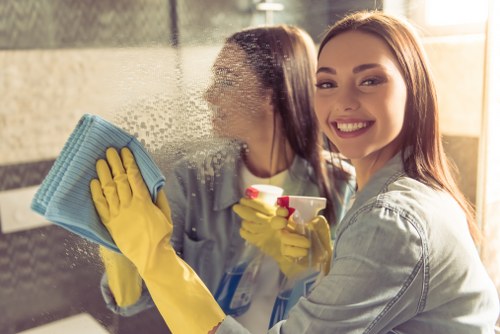
All staff must wear appropriate personal protective equipment when required. This may include gloves, protective footwear, eye protection, and other items suited to the task. Where water, detergents, or stain treatments are used, extra care must be taken to avoid splashes, slips, or skin irritation. Equipment should be inspected before use, and any damaged or faulty item must be removed from service immediately.
 The company also places strong emphasis on manual handling. Moving machines, lifting furniture, and handling waste containers can create strain if not done correctly. Staff are trained to use safe lifting techniques, seek assistance for heavy objects, and avoid unnecessary repetition or awkward posture. Work should be organised to reduce fatigue and to support steady, controlled movement throughout the job.
Risk Control in Carpet Cleaning Operations
A key part of this policy is controlling the risks associated with water and cleaning solutions. Carpet cleaning often involves damp floors, hoses, electrical devices, and drying equipment, all of which must be managed carefully. Warning signs should be used where appropriate, and work areas should be kept as clear as possible to reduce the chance of slips and trips. Any spill must be cleaned up quickly and safely.
Cleaning products are selected with attention to their intended use, compatibility with surfaces, and potential health effects. Kings Cross Carpet Cleaners prefers the least hazardous product that can achieve the required result. Stronger agents are only used when necessary and must be handled in line with instructions. Staff should never mix products unless specifically directed to do so, and containers must be labelled clearly to avoid confusion.
Ventilation is also important during carpet cleaning, especially where spot treatments or faster-drying methods are used. Rooms should be aired appropriately, and clients should be advised when it may be unsafe to re-enter a treated area immediately. By applying these measures, the company helps protect both workers and occupants from avoidable exposure.
Training, Communication, and Incident Reporting
Training is central to our health and safety policy. All staff receive instruction on equipment operation, chemical awareness, emergency response, and workplace conduct. Refresher training is provided when processes change or when a review shows that additional support is needed. The company encourages open communication so that anyone can raise a concern, suggest an improvement, or report a near miss without hesitation.
Incident reporting is taken seriously. Any injury, unsafe condition, equipment failure, or environmental hazard must be reported as soon as possible to allow prompt action. Records are reviewed to identify patterns and to improve prevention measures. In this way, the policy supports continuous improvement rather than relying only on reaction after an event occurs.
In the event of an emergency, staff must follow the agreed response for the situation, whether that involves evacuation, first aid, isolation of equipment, or contacting the relevant emergency services. Clear planning ensures that the Kings Cross carpet cleaners team can respond calmly and efficiently while protecting everyone on site.
Monitoring, Review, and Commitment
 The company monitors health and safety performance through routine checks, equipment maintenance, supervision, and periodic review of working practices. This allows us to confirm that controls remain effective and that standards are being followed consistently. Where improvements are identified, they are implemented as soon as reasonably practicable.
Our policy is reviewed regularly to keep it current, relevant, and suitable for the nature of our work. Changes in equipment, materials, staffing, or working methods may all require updates. Kings Cross Carpet Cleaners is committed to maintaining a culture of responsibility, where safe conduct is expected and supported at every level.
 By putting prevention first, we protect people, property, and the quality of our service. This policy reflects our belief that professional carpet cleaning should be carried out with care, discipline, and respect for safety. Every task, from preparation to completion, is completed with the aim of reducing risk and promoting well-being for all involved.