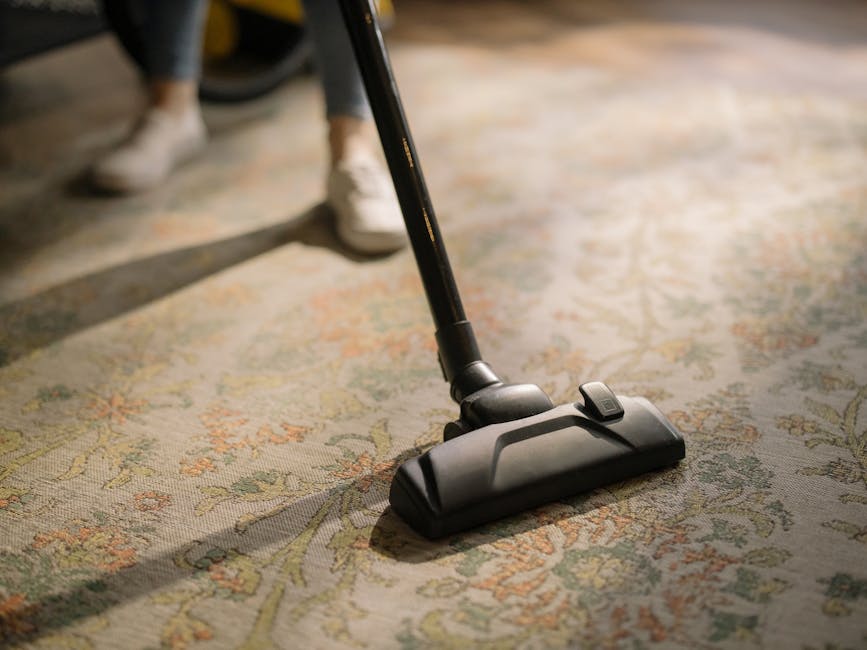
Granary Square carpet cleaning guide for Kings Cross flats
If you live in a flat near Granary Square, you already know the carpet takes a bit of a beating. Foot traffic from the station, dust drifting in through open windows, the odd coffee spill after a long day, and the general squeeze of city living all add up. This Granary Square carpet cleaning guide for Kings Cross flats is here to make the job simpler, safer, and a lot less guesswork-heavy.
Whether you are dealing with everyday dullness, pet smells, a stubborn mark by the sofa, or a landlord check-up looming, the right cleaning approach matters. Flat living brings its own quirks too: limited drying space, lift access, neighbours below you, and the usual London time pressure. So let's keep this practical. You'll find a clear process, useful comparisons, common mistakes to avoid, and a few realistic tips that make life easier in a busy Kings Cross home.
Contents
- Why this matters in Granary Square flats
- How carpet cleaning works in practice
- Key benefits and practical advantages
- Who this is for and when it makes sense
- Step-by-step guidance
- Expert tips for better results
- Common mistakes to avoid
- Tools, resources and recommendations
- Law, compliance, standards, and best practice
- Options, methods, or comparison table
- Case study or real-world example
- Practical checklist
- Conclusion
- Frequently asked questions
Why Granary Square carpet cleaning guide for Kings Cross flats Matters
Granary Square is a lively place, and that energy spills into nearby flats in the best and worst ways. Carpets in Kings Cross apartments often collect fine city dust, grit from shoes, and moisture from wet-weather days. Over time, that can flatten fibres, dull the colour, and leave a stale smell that you only notice when you finally sit down and breathe out. Not ideal, really.
In flats, carpet care is not just about appearance. It affects comfort, indoor air feel, and how the whole place presents when guests arrive. It also helps if you rent. A well-kept carpet makes end-of-tenancy inspections less stressful and can reduce avoidable disputes about cleanliness. That alone is worth a bit of attention.
There is another practical side too. A proper clean can help extend the life of the flooring, which matters when replacing carpet in a compact city flat is expensive and disruptive. If you are comparing professional options, it helps to understand what a good service should do. A strong starting point is the main carpet cleaning service, which can be used as the baseline for understanding methods, scope, and expectations.
Expert summary: In Granary Square flats, carpet cleaning is less about occasional deep cleans and more about staying ahead of city grime, traffic wear, and drying challenges before they become annoying problems.
How Granary Square carpet cleaning guide for Kings Cross flats Works
Carpet cleaning is not one single method. In most flats, the process starts with inspection, then moves through vacuuming, stain treatment, cleaning, rinsing or extraction, and drying. The best method depends on carpet type, pile length, staining, and how much moisture the property can comfortably handle.
For a flat near Granary Square, steam cleaning is often discussed because it reaches deep into fibres and can lift embedded dirt well. That said, "steam" is a bit of a loose everyday term. Many people use it to describe hot water extraction, where cleaning solution and hot water are injected into the pile and then extracted almost immediately. If you want a more focused look at that method, the steam carpet cleaning page is useful background.
Here is the typical flow in plain English:
- Check the carpet type. Wool, synthetic, blended, and loop-pile carpets each behave differently.
- Test for colourfastness. A discreet spot test helps avoid colour run or fibre damage.
- Pre-treat problem areas. High-traffic paths, old marks, and food spills often need targeted attention.
- Clean with the right moisture level. Too much water is a nuisance in flats; too little and soil stays behind.
- Extract residue. This step matters more than people think. Leftover detergent can attract dirt later.
- Dry properly. Good airflow, open internal doors, and sensible timing all help.
Truth be told, the drying stage is where many flat owners get caught out. A carpet can look clean but still feel damp underfoot. In a compact apartment, that can mean a musty smell by evening if ventilation is poor. So planning matters. A lot.
Key Benefits and Practical Advantages
There are obvious benefits to clean carpets, but in flats the practical ones often matter more than the cosmetic ones. A good clean can make a room feel lighter, reduce odour build-up, and improve how the whole flat presents day to day. You notice it when you walk in. The room just feels fresher.
- Better appearance: Traffic lanes and dull patches soften or disappear.
- Improved freshness: Everyday smells from cooking, pets, and closed windows are less noticeable.
- Longer carpet life: Removing grit reduces fibre wear.
- Better rental presentation: Useful before inspections, renewals, or move-out.
- More comfortable living: A cleaner carpet makes a flat feel more settled and cared for.
There is also a quiet benefit people often miss: a cleaner carpet can make the rest of the room look better. Curtains, sofas, and rugs stop feeling like they are competing with a tired floor. If your soft furnishings need attention too, it can make sense to look at related services such as upholstery cleaning or sofa cleaning, especially in smaller living rooms where everything is visually connected.
Who This Is For and When It Makes Sense
This guide is most useful for tenants, flat owners, landlords, and property managers in and around Granary Square and Kings Cross. If your carpet is looking tired but not damaged, you are in the sweet spot for cleaning rather than replacement. That is usually the sensible move.
It makes sense to book or do a proper clean when you notice one or more of the following:
- visible traffic patterns in hallways or living areas
- spills that have left a shadow or sticky residue
- pet odour that returns after vacuuming
- a flat that smells "closed up" after winter
- an end-of-tenancy inspection or sale preparation
- dust or debris settling quickly despite regular hoovering
Some residents only clean carpets after a major incident. Others stay on top of things with a seasonal routine. Both approaches can work, but in a busy London flat, the second one is usually easier on the nerves. To be fair, most people do not need perfection. They just need the place to feel clean and manageable.
If you have pets, stains, or lingering smells, you may also want to pair carpet care with targeted treatment from pet stain and odour removal or stain removal. That kind of targeted approach saves time and often gives a better result than a general clean alone.
Step-by-Step Guidance
If you want to handle things properly, use a methodical process. Rushing usually shows later. Here is a simple, realistic sequence for flats near Granary Square.
- Clear the floor area. Move small furniture, cables, mats, and breakables out of the way. It sounds basic, but a surprising number of cleaning problems begin with clutter.
- Vacuum thoroughly. Go slowly, especially along skirting boards and under furniture edges. In city flats, fine grit can hide deep in the pile.
- Identify stains. Separate old stains from fresh spills. Not everything needs the same treatment.
- Spot test first. Check a hidden area before applying any solution. Better safe than sorry.
- Pre-treat heavily soiled areas. Hallway paths, entry points, and around sofas often need extra attention.
- Choose the right cleaning method. Hot water extraction suits many carpets, but delicate fibres may need a gentler approach.
- Work in manageable sections. This helps control moisture, which is especially important in flats.
- Extract properly. Make sure dirt and detergent are removed, not just moved around.
- Speed up drying. Use airflow, not excessive heat. Open windows if weather and security allow.
- Replace furniture only after drying. Put pads or barriers under legs if needed.
A small but useful tip: if you are doing this on a weekday evening, start earlier than you think you need to. London flats can stay humid for longer than people expect, especially when windows are only partly open. I know, not glamorous advice, but it helps.
Expert Tips for Better Results
Good carpet cleaning is often about judgement, not brute force. The right amount of water, the right product, and the right drying plan make a bigger difference than people realise. Here are the details that usually separate an average result from a proper one.
- Do not overwet the carpet. In flats, excess moisture can seep into underlay and linger.
- Treat spots early. Fresh marks usually respond better than old, set-in stains.
- Use the correct temperature. Hotter is not always better, especially on sensitive fibres.
- Keep air moving. A fan or open-window routine can save hours of drying time.
- Vacuum before and after. Pre-clean vacuuming lifts loose soil; post-clean vacuuming restores pile once dry.
- Mind the entry area. A clean doormat makes a real difference in a city flat. It is boring, but true.
Another practical point: if your carpet has a visible odour problem, do not mask it with heavy fragrance. That usually just creates a strange mix of smells, and nobody wants that. Odour needs treatment, not perfume. If the issue is clearly deeper than surface dirt, a specialist service like steam carpet cleaning can be a sensible next step.
And one more thing. If the flat has mixed flooring, soft furnishings, and rugs all in the same room, clean them in a coordinated way. Otherwise the carpet looks great and the sofa looks tired. Bit of a false victory, that.
Common Mistakes to Avoid
Most carpet cleaning mistakes in flats are completely avoidable. They usually come from being in a hurry, using the wrong product, or assuming that more liquid means more cleaning power. It rarely does.
- Using too much detergent: residue can leave the carpet sticky and dirty again faster.
- Scrubbing hard: aggressive rubbing can damage fibres and spread stains.
- Skipping drying time: damp carpets can smell stale and attract re-soiling.
- Ignoring the underlay: surface-cleaned carpet is not the same as properly cleaned carpet.
- Assuming all stains are equal: food, grease, pet mess, and mud each need a different approach.
- Cleaning only the visible area: it can create obvious patchiness around the edges.
There is also a trust issue here. If a company promises a miracle on every carpet, be cautious. Real-world cleaning has limits. Some marks fade a lot, some improve only partly, and some are permanent. Honest expectations matter more than shiny sales language. Always have a quick look at the provider's terms and conditions and practical service details before you book.
Tools, Resources and Recommendations
You do not need a van full of gear to keep a flat carpet in decent shape, but the right basics make a difference. For most households, the essential toolkit is refreshingly simple.
- A good vacuum cleaner: ideally one that can handle edges, stairs, and medium-pile carpet well.
- Microfibre cloths: useful for lifting spills before they set.
- Carpet-safe spot cleaner: always check compatibility with your carpet fibre.
- Soft brush or grooming tool: helps lift pile after cleaning.
- Fan or airflow plan: especially useful in compact flats with limited ventilation.
- Furniture pads: useful after wet cleaning to avoid marks while the carpet settles.
If you are deciding between DIY and professional work, it helps to compare the carpet with nearby soft furnishings. A deep clean may be worthwhile if the room contains a rug, sofa, or curtains that also look dull. In that case, coordinated treatment can be more efficient, and it avoids the "one thing looks brilliant, everything else looks tired" problem. For rugs, the relevant page is rug cleaning; for curtains, see curtain cleaning.
For budgeting and planning, the clearest next step is usually to review pricing and quotes. That gives you a sense of what is included before you commit, which is handy if you are comparing a one-room refresh with a full-flat clean.
Law, Compliance, Standards, or Best Practice
Carpet cleaning in a Kings Cross flat is not heavily regulated in the way some trades are, but there are still important best-practice considerations. Safety, insurance, clear communication, and respect for property all matter. If a cleaner is working in a multi-occupancy building, sensible procedures should protect residents, communal areas, and flooring finishes.
From a homeowner or tenant perspective, the basics are straightforward. Make sure the service provider explains what methods they use, what risks exist for delicate fibres, and how they handle drying, access, and equipment movement. If furniture has to be shifted, that should be discussed first. No one wants a surprise scratch on the skirting board.
It is also worth checking whether the provider carries suitable cover and follows sensible safety processes. A good reference point is insurance and safety, along with the company's health and safety policy. Those pages help set expectations and show that the business takes risk management seriously.
For environmentally conscious residents, sustainability can matter too. Responsible waste handling, sensible chemical use, and thoughtful water use are all part of modern best practice. If that is important to you, the recycling and sustainability information is worth a look.
One practical note for rented flats: if you are preparing for a checkout clean, keep records of what has been cleaned, when, and by whom. Not because life should become paperwork theatre, but because it helps if questions come up later.
Options, Methods, or Comparison Table
Not every carpet needs the same solution. The right method depends on the carpet's condition, material, and how quickly you need the room back in use. Below is a simple comparison to help you decide.
| Method | Best for | Strengths | Watch-outs |
|---|---|---|---|
| Vacuuming and spot treatment | Routine upkeep, minor spills, between deep cleans | Fast, low-cost, keeps dirt from building up | Won't remove embedded soil or deep odours |
| Hot water extraction | General deep cleaning, heavy traffic, many household carpets | Strong soil removal, good refresh for lived-in flats | Needs proper drying and careful moisture control |
| Targeted stain treatment | Specific marks such as food, drink, or tracked-in dirt | Focused, efficient, useful before inspections | Results vary by stain age and fibre type |
| Full-flat soft furnishing clean | Rooms where carpets, sofas, and rugs all need attention | More consistent finish across the room | Higher planning effort and longer drying coordination |
For many Granary Square flats, a mixed approach works best. A deep clean in the main carpeted areas, plus spot work on problem areas, plus occasional upholstery care. Nothing dramatic. Just sensible maintenance that keeps the flat looking tidy without turning your week upside down.
Case Study or Real-World Example
Here is a realistic example. A two-bedroom flat near Granary Square has a hallway runner, a living room carpet, and a small stain near the sofa from a spilled takeaway drink. The carpet does not look terrible at first glance, but under daylight you can see traffic shading in the entrance area and a slightly tired patch around the seating zone.
The cleaning plan is simple:
- vacuum thoroughly and remove loose grit
- pre-treat the visible stain and the hallway traffic lane
- carry out a controlled deep clean in sections
- use airflow to speed drying
- tackle the sofa cushions and rug so the room feels balanced
What changes? The carpet brightness improves, the room smells cleaner, and the hallway no longer has that greyish worn strip that city flats often get. Not magic. Just good process. And, honestly, that is usually enough.
In this sort of situation, a coordinated service package can help. If the sofa has picked up odour or grease around the arms, it may be worth pairing carpet work with sofa cleaning. Small details, big visual payoff. You know the feeling when the place suddenly seems to breathe again.
Practical Checklist
Use this checklist before and after cleaning. It keeps things tidy and saves a lot of backtracking.
- Identify the carpet type and condition
- Remove small furniture and fragile items
- Vacuum all areas, including corners and edges
- Spot test any product before use
- Treat stains before full cleaning
- Control moisture carefully during cleaning
- Improve ventilation during drying
- Avoid walking on the carpet until it is fully dry
- Check for lingering marks or odours once dry
- Review whether rugs or upholstery now look out of sync
If you are planning a wider refresh, it can be helpful to think in layers: carpet, rug, sofa, curtains. Do that, and the flat often feels far more polished than if you clean just one thing in isolation. A little coordination goes a long way.
Get a free quote today and see how much you can save.
Conclusion
A clean carpet in a Granary Square flat is more than a finishing touch. It is part of keeping your home comfortable, presentable, and manageable in a busy part of London. The key is not doing everything at once or overcomplicating it. It is choosing the right method, avoiding moisture mistakes, and cleaning in a way that suits flat living.
If you remember only one thing from this guide, make it this: clean carpets last longer when the process is careful, not rushed. That applies whether you are dealing with routine upkeep, a move-out check, or a stubborn stain that has been quietly annoying you for weeks. And yes, we have all had one of those.
When you are ready to compare options or plan your next step, start with the service information, check the practical details, and choose the approach that fits your flat rather than forcing a one-size-fits-all answer. That's usually the smartest move, and it tends to feel better too.
Frequently Asked Questions
How often should carpet cleaning be done in a Granary Square flat?
For most lived-in flats, a deep clean once or twice a year is a sensible baseline, with vacuuming and spot treatment in between. Busy households, pets, and heavy foot traffic may need more frequent attention.
Is steam cleaning safe for apartment carpets?
Usually yes, if the carpet type is suitable and moisture is controlled properly. The main issue in flats is drying, so airflow and extraction matter just as much as the cleaning itself.
What if my carpet has a bad smell but looks clean?
That often means the issue is in the fibres or underlay rather than the surface. Targeted odour treatment or a deeper clean may be needed, especially after pets, spills, or damp conditions.
Can I clean carpet stains myself before booking a professional?
Yes, but keep it gentle. Blot the area, avoid harsh scrubbing, and test any product in a hidden spot first. If the stain is old or large, it may be better not to experiment too much.
What carpet cleaning method works best in small flats?
Hot water extraction works well for many carpets, but the best method depends on the fibre, stain type, and drying space. In smaller flats, methods that clean thoroughly without leaving excess moisture are usually preferred.
Will carpet cleaning remove all stains?
Not always. Some stains fade significantly, while others may only improve. Age, fibre type, and what caused the stain all affect the result. Honest expectations are better than false promises.
Do I need to move furniture before carpet cleaning?
Light furniture is usually moved, but heavier items may need a separate plan. Always confirm in advance so you know what is included and what needs to be cleared before the appointment.
How long does carpet drying usually take in a flat?
Drying time varies depending on carpet type, room temperature, airflow, and how much moisture was used. In a London flat, it is wise to allow extra time rather than assuming the carpet will be ready immediately.
Is professional carpet cleaning worth it for rented flats?
Often yes, especially before an inspection or move-out. It can help the flat present better and reduce avoidable disputes over cleanliness. Even where the carpet looks okay, a proper refresh can make a noticeable difference.
Can carpet cleaning help with allergies or dust?
It may help reduce dust, grit, and trapped debris, which can improve the feel of the room. It is not a medical treatment, of course, but cleaner fibres usually mean less build-up underfoot and in the air.
Should I clean carpets before or after decorating?
Usually after any messy decorating work is finished. If you clean first and then paint, sand, or move furniture around, you may undo the benefit very quickly. Carpet cleaning works best when the room is already settled.
What should I check before choosing a cleaner for my Kings Cross flat?
Look for clear service details, sensible drying advice, safety and insurance information, and transparent pricing. The cleaner should explain what they can and cannot do, rather than promising a perfect result for every carpet.