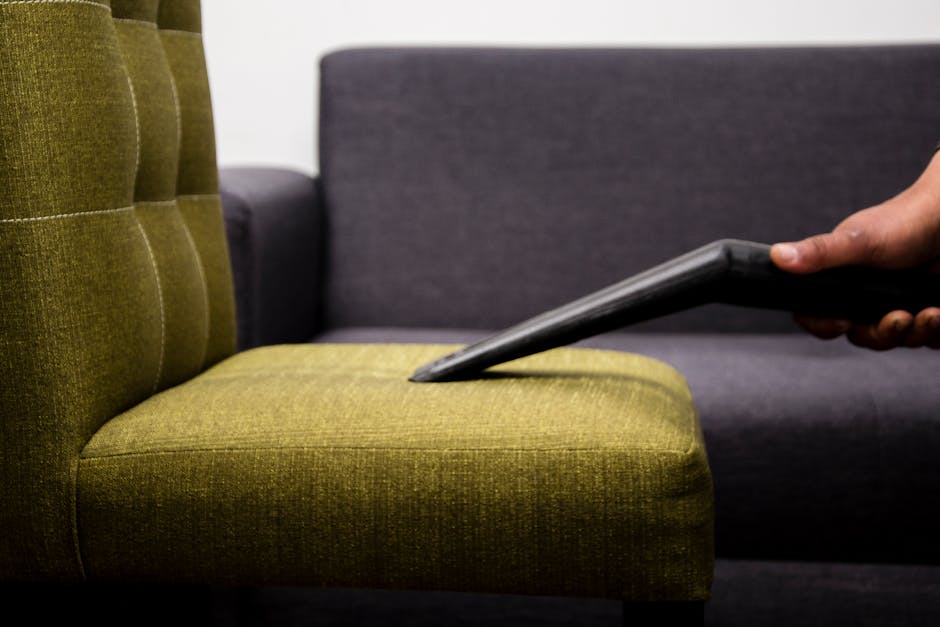
Coal Drops Yard upholstery cleaning for Kings Cross shops: a practical guide for busy retail spaces
If you run a shop in or around Coal Drops Yard, you already know what a good first impression feels like. The seats by the till look fresh, the display bench feels clean, and the soft furnishings quietly tell customers that the whole place is cared for. That is exactly why Coal Drops Yard upholstery cleaning for Kings Cross shops matters. It is not just about looks; it is about comfort, hygiene, durability, and the way your brand feels the moment someone walks in.
In a busy London retail setting, upholstery takes more punishment than most people realise. Fabric chairs, padded benches, window seats, waiting stools, and staff break-room seating all collect dust, spills, body oils, foot traffic grime, and the odd mystery mark. Truth be told, these surfaces can go from "fine" to "needs attention" faster than owners expect. This guide explains how commercial upholstery cleaning works, when shops need it, what results to expect, and how to make sensible decisions without overcomplicating the process.
Table of Contents
- Why Coal Drops Yard upholstery cleaning for Kings Cross shops Matters
- How Coal Drops Yard upholstery cleaning for Kings Cross shops Works
- Key Benefits and Practical Advantages
- Who This Is For and When It Makes Sense
- Step-by-Step Guidance
- Expert Tips for Better Results
- Common Mistakes to Avoid
- Tools, Resources and Recommendations
- Law, Compliance, Standards, or Best Practice
- Options, Methods, or Comparison Table
- Case Study or Real-World Example
- Practical Checklist
- Conclusion
- Frequently Asked Questions
Why Coal Drops Yard upholstery cleaning for Kings Cross shops Matters
Retail spaces at Coal Drops Yard sit in a part of London where presentation matters a great deal. The area draws locals, office workers, destination shoppers, and visitors who notice details. Upholstery often becomes part of the customer experience whether you mean it to or not. A fabric armchair in a boutique, a soft bench in a salon, or a waiting seat in a showroom can either feel inviting or a bit tired. There is not much in-between.
From a practical standpoint, clean upholstery helps shops look organised and well-managed. From a commercial standpoint, it can support longer dwell time and a more relaxed atmosphere. If a customer sits down to try shoes, browse accessories, or wait for an appointment, the seat should not feel sticky, dusty, or visibly marked. That sounds obvious, but in reality it is one of the first things to slide during a busy week.
There is also a hygiene angle. Upholstery absorbs fine particles, spills, and odours more readily than hard surfaces. In a retail setting near Kings Cross, where shops can have constant turnover and limited downtime, that build-up happens quietly. You may not notice it day to day, then one morning the room feels a little dull, a little stale. A proper clean resets that.
Expert summary: for most shops, upholstery cleaning is best treated as part of routine premises care, not as an emergency service. When it is scheduled thoughtfully, it supports appearance, customer comfort, and fabric life all at once. Small effort, real payoff.
How Coal Drops Yard upholstery cleaning for Kings Cross shops Works
Commercial upholstery cleaning is usually a staged process rather than one single treatment. The exact method depends on the fabric type, the condition of the furniture, and the setting. A shop fitting might need careful low-moisture work; a heavily used staff sofa may need deeper extraction. In most cases, the process starts with identification, not cleaning. That matters more than people think.
First, the technician checks the fibre type, colour fastness, seams, age of the item, and visible marks. Some fabrics are resilient. Others are not. You do not want a one-size-fits-all approach on upholstery, because one wrong choice can leave water rings, texture distortion, or lingering damp. That would be a very unhelpful surprise.
After inspection, loose debris is removed. This might involve vacuuming with upholstery attachments, brushing, or targeted dry extraction. Next comes stain treatment where appropriate. Spills are often handled separately because a red wine mark, coffee splash, or greasy handprint each behaves differently. If odour is part of the problem, deodorising or specialised treatment may be needed, especially in textiles with repeated use.
Then the main cleaning stage follows. Many commercial jobs use hot water extraction on suitable fabrics, sometimes called steam cleaning in everyday language, though it is not pure steam in the strict sense. It uses heated water and cleaning solution to loosen soil, then extracts moisture and residues. For delicate items, low-moisture or dry-cleaning style methods may be more suitable. The right method depends on the fabric, not on fashion or guesswork.
Finally, the upholstery is checked, groomed if necessary, and left to dry with airflow in mind. Shops usually need a plan for drying time because unlike a home sofa, retail seating may be needed again quite quickly. That is where scheduling and realistic expectations come in.
Professional upholstery cleaning works best when it is matched to the specific furniture, the pace of foot traffic, and the fabric's tolerance. A tidy, calm process is usually the best one.
Key Benefits and Practical Advantages
The benefits of upholstery cleaning for retail premises are broader than "it looks nicer". That is part of it, yes, but the value runs deeper than appearance alone.
- Better presentation: customers notice cared-for seating and soft furnishings, even if they do not consciously register it.
- Improved comfort: clean fabric feels fresher and less worn, which matters for fitting rooms, waiting areas, and lounge-style retail spaces.
- Odour control: food smells, dampness, body oils, and general shop ambience can cling to fabric over time.
- Fabric longevity: regular cleaning can help reduce abrasive grit and residue that wears fibres down.
- Staff wellbeing: if your team uses upholstered furniture in break areas, they will appreciate a cleaner environment. Simple as that.
- Reduced replacement pressure: maintained furniture often lasts longer before it needs reupholstering or replacement.
There is a commercial side too. In a place like Coal Drops Yard, where brand experience can influence browsing time, neat upholstery helps a shop feel deliberate rather than improvised. That may sound a bit subtle, but retail is full of small signals. Customers read them quickly.
Another practical advantage is consistency. Once your upholstery is on a schedule, you are less likely to face awkward visible stains before a busy weekend or event period. No shop manager wants to be wiping a seat at 9:55am with five customers already waiting outside. Been there, and it is not ideal.
Who This Is For and When It Makes Sense
This kind of cleaning is relevant to a wide mix of Kings Cross shops. It is not just for luxury retailers, although they often feel the visual impact most sharply. A range of businesses can benefit:
- boutiques with seating areas for trying on footwear or accessories
- salons, barbers, and beauty spaces with waiting chairs
- showrooms with fabric visitor seating
- cafes and retail hybrids with upholstered banquettes
- bookshops, lifestyle stores, and gift shops with soft seating corners
- staff rooms and back-of-house break spaces
It makes sense to book upholstery cleaning when you notice visible marks, flat-looking fabric, lingering smells, or a general sense that the furniture has lost its freshness. It also makes sense as part of planned maintenance before busy trading periods, window-display changes, seasonal launches, or inspection visits. In practice, shops often wait too long because the furniture is "still usable". But usable is not the same as presentable.
For newer shops, early maintenance is a smart habit. For established businesses, it can be the difference between furniture that still looks intentional and furniture that quietly drags the whole interior down. Why let that happen if a sensible clean can prevent it?
If you are already comparing options across broader premises care, the team at commercial carpet cleaning also handle fabric maintenance that fits the realities of retail work, where timing and disruption matter just as much as the result.
Step-by-Step Guidance
If you are arranging Coal Drops Yard upholstery cleaning for Kings Cross shops, the process is usually easier when you approach it in a simple sequence.
- Identify the furniture items. Make a list of seating, benches, stools, and any upholstered fixtures. Note which ones are customer-facing and which are staff-only.
- Check fabric types. If you know the upholstery material, share it. If not, a visual inspection and fibre test may be needed before cleaning.
- Flag problem areas. Point out stains, odours, drink marks, pet-related issues if they exist in staff areas, and any items that need gentle handling.
- Choose the right method. Some items suit extraction cleaning; some need lower moisture. Delicate fabrics should never be rushed.
- Plan around opening hours. The best schedule is often before trading, after closing, or during a quiet window. It sounds obvious, but it saves hassle.
- Prepare the space. Move lightweight items, clear surfaces, and make access easy. Cleaners can work faster when they are not navigating a maze of stock.
- Allow proper drying. Airflow matters. If possible, keep the area ventilated and avoid reusing seats too soon.
- Inspect the finish. Check the cleaned items once dry. Look for any remaining spots, uneven texture, or areas that need a second pass.
That is the broad shape of it. No drama. No mystery. Just a tidy workflow that gets you from "this looks tired" to "that feels much better".
Expert Tips for Better Results
A few practical habits make a noticeable difference. In our experience, these are the details that separate a decent result from a genuinely good one.
- Act early on stains. Fresh marks are easier to remove than old ones that have set into the fibres.
- Blot, don't rub. Rubbing pushes spills deeper and can rough up the fabric pile.
- Use test patches where needed. A careful cleaner will always check colour fastness before full treatment on sensitive textiles.
- Think in zones. High-touch areas, such as armrests and head-height sections, often need more attention than the rest.
- Match cleaning to usage. A display chair used once a day is not the same as a staff sofa used all week.
- Keep a simple maintenance log. Nothing fancy. Just note when items were last cleaned and where recurring marks appear.
- Combine services where sensible. If you also need fabric seating, soft furnishings, or nearby floor care, scheduling related work together can reduce disruption.
One small but useful tip: if a piece of upholstery is repeatedly staining in the same spot, look at the cause rather than just the mark. A coffee spill near a side table, a leaking drink lid, or a poorly placed product display can keep creating the same issue. Fix the habit, not just the symptom.
If you need deeper treatment for a persistent spot, stain removal support can be useful where standard upholstery cleaning alone is not quite enough. That is especially true for older marks. They can be stubborn little things.
Common Mistakes to Avoid
Commercial upholstery care goes wrong most often because people try to save time. Fair enough, everyone is busy. But a rushed decision can make the job harder.
- Using the wrong cleaning method. Delicate fabrics can be damaged by heavy moisture or aggressive agitation.
- Ignoring manufacturer guidance. If the upholstery has care instructions, they should guide the cleaning approach.
- Leaving spills too long. Old marks set, spread, and sometimes create odour issues.
- Cleaning only the visible stain. Spot treatment alone can leave rings or uneven appearance.
- Not allowing enough drying time. Reusing damp seating too soon can cause discomfort and may invite odour.
- Forgetting hidden areas. Arms, seams, and the tops of seat backs often show soil first.
- Choosing price over suitability. Cheapest is not always best when the item is high-value or high-visibility.
It is worth saying plainly: upholstery is often more sensitive than it looks. A sofa may seem solid, but the fabric, foam, stitching, and backing each respond differently to moisture and cleaning agents. One bad move can leave a permanent reminder. Nobody wants that.
Tools, Resources and Recommendations
For shops, the best resources are often the ones that keep the process organised and low-fuss. You do not need a cupboard full of specialist products. You need the right approach and a few reliable supports.
| Need | What helps | Why it matters |
|---|---|---|
| Light daily upkeep | Vacuum with upholstery tool | Removes dust and dry soil before it settles |
| Spill response | Clean microfibre cloths and a blotting method | Helps contain fresh marks quickly |
| Deep clean planning | Simple maintenance schedule | Keeps customer-facing seating from being forgotten |
| Problem fabrics | Professional inspection before treatment | Reduces the risk of damage on delicate items |
| Repeat issues | Source-finding around the seating area | Stops the same stain from returning |
Where shops need broader care, it is sensible to pair upholstery work with nearby soft furnishing or floor cleaning. For example, some retail sites plan chair cleaning alongside carpet cleaning so the whole customer area feels refreshed at once. Others choose steam carpet cleaning for the floor and upholstery cleaning for seating, which can create a very noticeable reset.
For brand-facing spaces, it can also help to check whether soft furnishings in curtains or window areas need attention too. A coordinated clean often gives a better overall impression than treating one item in isolation. A fresh chair beside a dusty curtain is, let's face it, a bit of a missed opportunity.
Law, Compliance, Standards, or Best Practice
Upholstery cleaning for shops does not usually involve complex legal thresholds, but there are still sensible standards to follow. In the UK, retail businesses should think in terms of general duty of care, safe working practices, and maintaining a premises that is reasonably clean and safe for staff and visitors. That means using appropriate methods, avoiding slip risks from wet floors, and making sure cleaning is scheduled so it does not create avoidable disruption.
Health and safety matters most where moisture, electrical equipment, trip hazards, or access constraints are involved. Wet upholstery should be managed so it does not drip onto walkways or stock. Cleaning products should be used according to the fabric and the task, not poured on with a hopeful shrug. Not a great strategy, that one.
For businesses seeking reassurance, it is sensible to choose providers that can explain how they work, what precautions they take, and how they handle onsite safety. If that reassurance matters to you, the company's health and safety policy, insurance and safety information, and terms and conditions are useful places to understand expectations before any booking is confirmed.
There is also a practical compliance-adjacent point around accessibility and customer experience. A shop should aim to keep seating usable, routes clear, and cleaning activity non-disruptive where possible. That is simply good practice. If your premises need a more accessible service journey overall, the site's accessibility statement and payment and security information can help set expectations around how information and transactions are handled.
Options, Methods, or Comparison Table
Not every upholstery job needs the same treatment. Here is a straightforward comparison of the most common approaches used in commercial settings.
| Method | Best for | Pros | Watch-outs |
|---|---|---|---|
| Hot water extraction | Durable fabric seating, heavier soil, general deep cleaning | Strong soil removal, good refresh on suitable fabrics | Needs drying time and fabric suitability checks |
| Low-moisture cleaning | Retail areas that need quicker turnaround | Faster drying, less disruption | May be less effective on deep contamination |
| Targeted stain treatment | Specific marks and localised spills | Focused, efficient, useful between full cleans | Can leave rings if not blended properly |
| Deodorising treatment | Odour-heavy textiles or customer seating | Improves freshness and atmosphere | Should complement, not replace, proper cleaning |
The right choice depends on the furniture and the business schedule. A boutique with a single velvet bench may need a more delicate method than a busy waiting area with sturdy fabric chairs. In other words: match the method to the material, and not the other way round.
If the upholstery is part of a broader interior refresh, you might also find the specialist sofa cleaning and curtain cleaning services useful for keeping the whole customer zone visually consistent.
Case Study or Real-World Example
Picture a small design-led shop near Coal Drops Yard with two upholstered benches in the fitting area and a padded seat near the till. Over time, the benches pick up scuffs from shopping bags, faint coffee marks, and a general flatness from constant use. Nothing dramatic. Just enough to make the room feel less crisp than it did in the beginning.
The owner notices that customers are still happy to shop, but the seating no longer matches the standard of the displays. Rather than replacing everything, they arrange a clean outside trading hours. The technician inspects the fabric, treats the visible marks, works carefully around the stitching, and allows time for drying with windows opened and the HVAC left running lightly. The next morning, the benches feel fresher, the room smells cleaner, and the whole shop looks more intentional. Not brand new. Just properly looked after. Which, honestly, is usually the goal.
The hidden win is that the owner now has a maintenance plan. That means the next clean is easier, cheaper to manage in practice, and less urgent. This is the sort of improvement that does not shout, but it saves stress later. And retail life has enough stress already.
Practical Checklist
Use this checklist before arranging upholstery cleaning for a Kings Cross shop:
- Identify every upholstered item that customers or staff use.
- Note which items are high-visibility and which are behind the scenes.
- Photograph stains or wear before treatment for reference.
- Check if any fabric care instructions are available.
- Decide whether you need spot cleaning, deep cleaning, or both.
- Plan the service around opening hours and delivery times.
- Clear access around the furniture.
- Warn staff about drying time and restricted use.
- Review the finished result once dry.
- Set a repeat schedule so the same issues do not build up again.
If the upholstery has a strong odour or repeated staining problem, it can help to combine cleaning with pet stain and odour removal style treatment where relevant, or broader upholstery cleaning that tackles the underlying soil rather than just the surface mark.
Key takeaway: the best upholstery cleaning for shops is the kind you barely have to think about afterwards. It should fit the trading pattern, protect the furniture, and leave the space looking calmer, cleaner, and more credible.
For pricing questions, timings, or to compare service options for your premises, the pricing and quotes page is the most sensible place to start. And if you want to understand the business background a little better, the about us page gives useful context about the company behind the service.
Conclusion
Coal Drops Yard upholstery cleaning for Kings Cross shops is really about standards, not fuss. In a retail area where customers notice atmosphere quickly, clean fabric seating helps your shop feel cared for, comfortable, and ready for business. It supports presentation, reduces wear, and makes everyday trading a little easier. That is worth doing well.
The best results usually come from choosing the right method, planning around shop hours, and treating upholstery as part of the wider maintenance picture rather than an afterthought. If you keep on top of it, you avoid the awkward slide from "looks fine" to "we should probably deal with that". And that slide happens quietly, doesn't it?
Get a free quote today and see how much you can save.
When a shop feels clean and settled, people notice. Sometimes that is all it takes for the whole place to breathe a little easier.
Frequently Asked Questions
How often should Kings Cross shops have upholstery cleaned?
It depends on usage, fabric type, and how visible the seating is. Customer-facing furniture in a busy shop may need more frequent cleaning than staff-only seating. A sensible schedule is better than waiting for obvious dirt to build up.
Is upholstery cleaning suitable for delicate fabrics?
Yes, but only with the right method. Delicate fabrics need careful inspection first, and some may require low-moisture or specialist treatment rather than standard extraction cleaning.
Will upholstery cleaning remove all stains?
Not always. Fresh stains are more likely to respond well than old, set-in marks. Some stains have already altered the fibre or colour, so results can vary. A good cleaner should be honest about that.
How long does upholstery take to dry in a shop?
Drying time varies with fabric, ventilation, cleaning method, and the amount of solution used. Shops usually plan for a realistic drying window and avoid immediate reuse where possible.
Can upholstery cleaning be done outside trading hours?
Yes, and that is often the easiest option for shops. After-hours or early-morning scheduling reduces disruption and gives the furniture more time to dry before customers arrive.
What is the difference between upholstery cleaning and sofa cleaning?
Upholstery cleaning is the broader service for fabric-covered furniture of many types. Sofa cleaning is a more specific version of that service aimed at sofas and couches.
Do shops need upholstery cleaning if the furniture still looks okay?
Often, yes. Upholstery can hold odours and fine soil long before it looks visibly dirty. Regular maintenance helps keep the shop feeling fresh rather than merely acceptable.
Can upholstery cleaning help with smells as well as marks?
Yes. Cleaning removes soil that can carry odours, and additional deodorising may help where smells have settled into the fabric. Strong smells usually need a proper inspection first.
Is it worth combining upholstery cleaning with carpet or curtain cleaning?
Usually, yes, if those items are part of the same customer-facing area. A combined refresh can make the whole space feel more consistent and can reduce disruption compared with separate visits.
What should I do before the cleaner arrives?
Clear access to the furniture, move small items, flag any problem spots, and let staff know about drying time. A few minutes of preparation often makes the visit smoother.
How do I know whether a fabric is suitable for wet cleaning?
The safest answer is inspection. Fibre type, dye stability, age, and construction all matter. If you are unsure, ask for a pre-clean assessment rather than guessing. Guessing is not a good fabric strategy.
Where can I ask about timings, payment, or service details?
Use the site's contact and information pages to review the booking process, payment expectations, and service terms before you arrange anything. It keeps everyone on the same page and avoids awkward surprises later.